
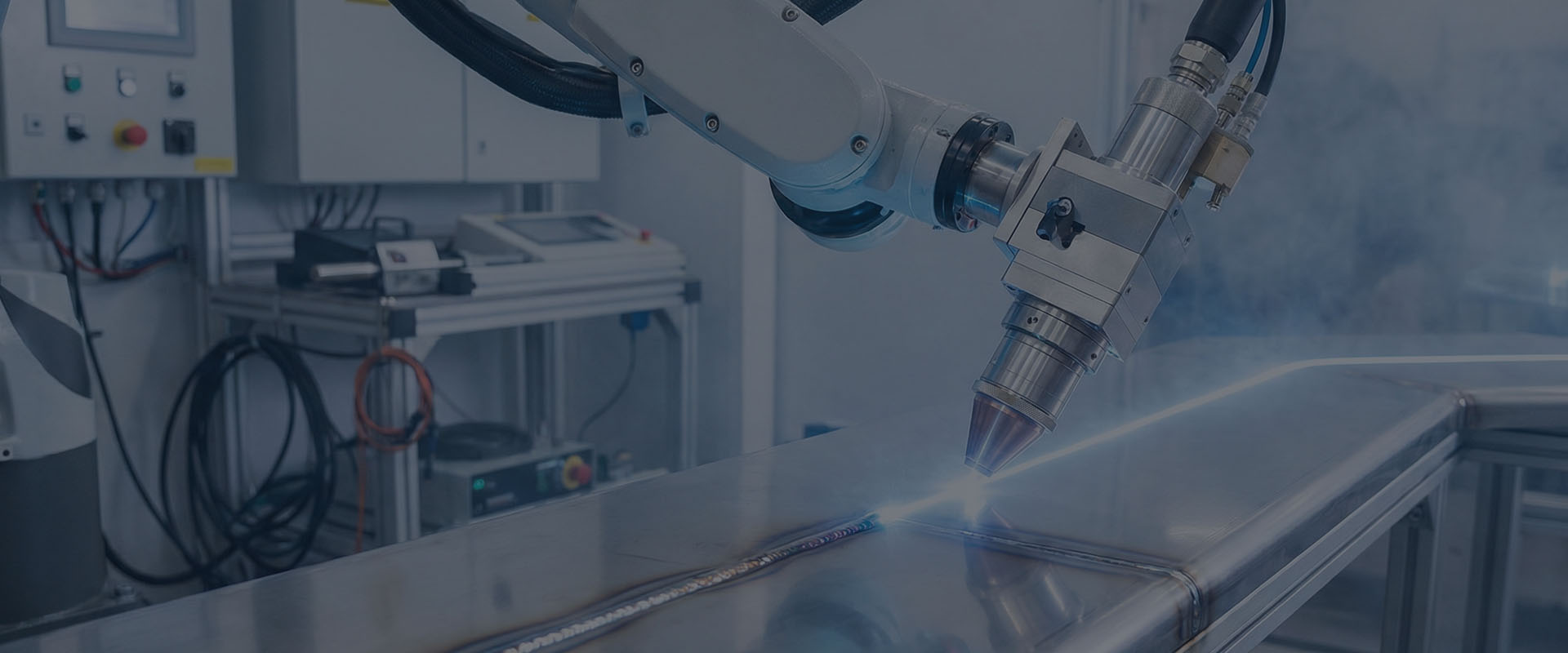
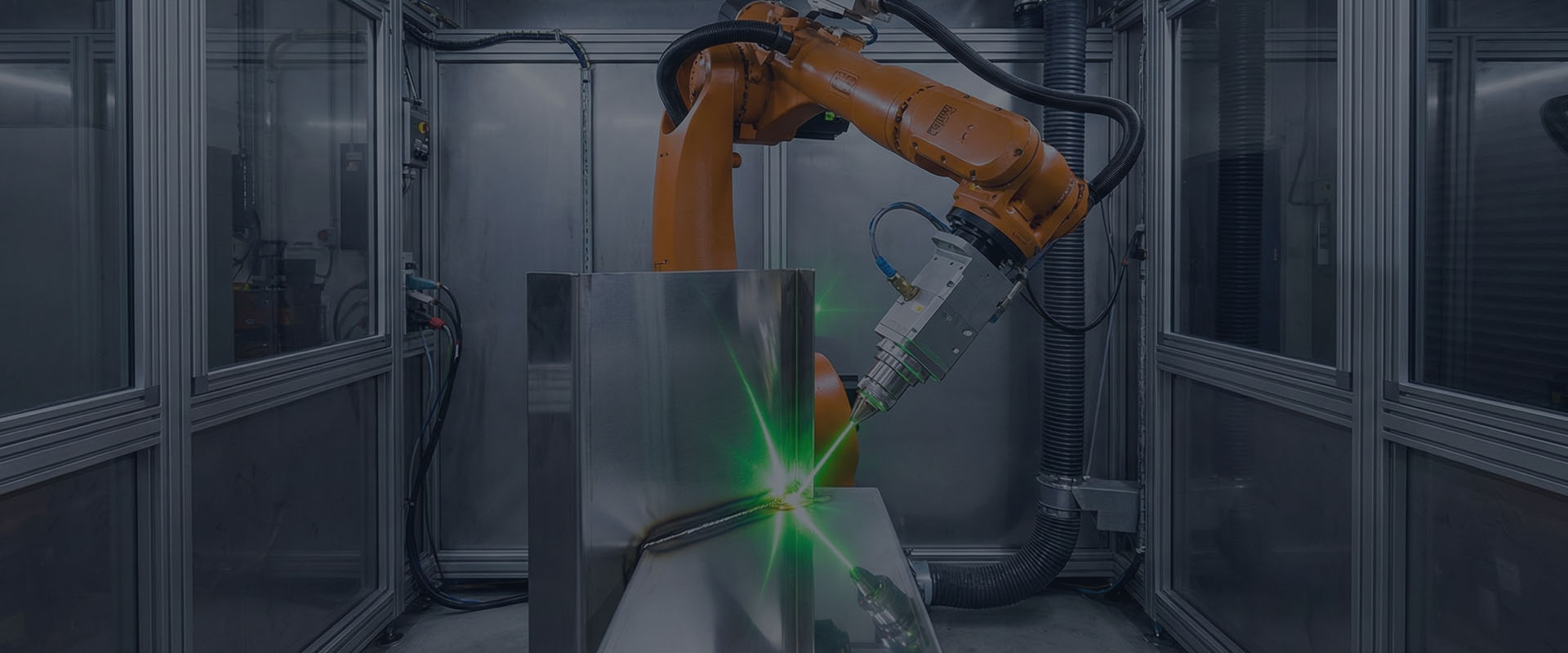
Robotic Laser Welding Solutions
Speed, Precision and Efficiency in Industrial Production
Root Engineering designs robotic laser welding cells that deliver repeatable quality, minimal heat input and high positional accuracy for production lines. By combining laser welding with robotic automation, we ensure sustainable performance in critical manufacturing processes.
Robotic laser welding provides high performance on stainless steel, CR (DKP) sheet, galvanized sheet, aluminum and special alloys; and offers lower distortion and higher process stability compared to conventional methods such as MIG/MAG.
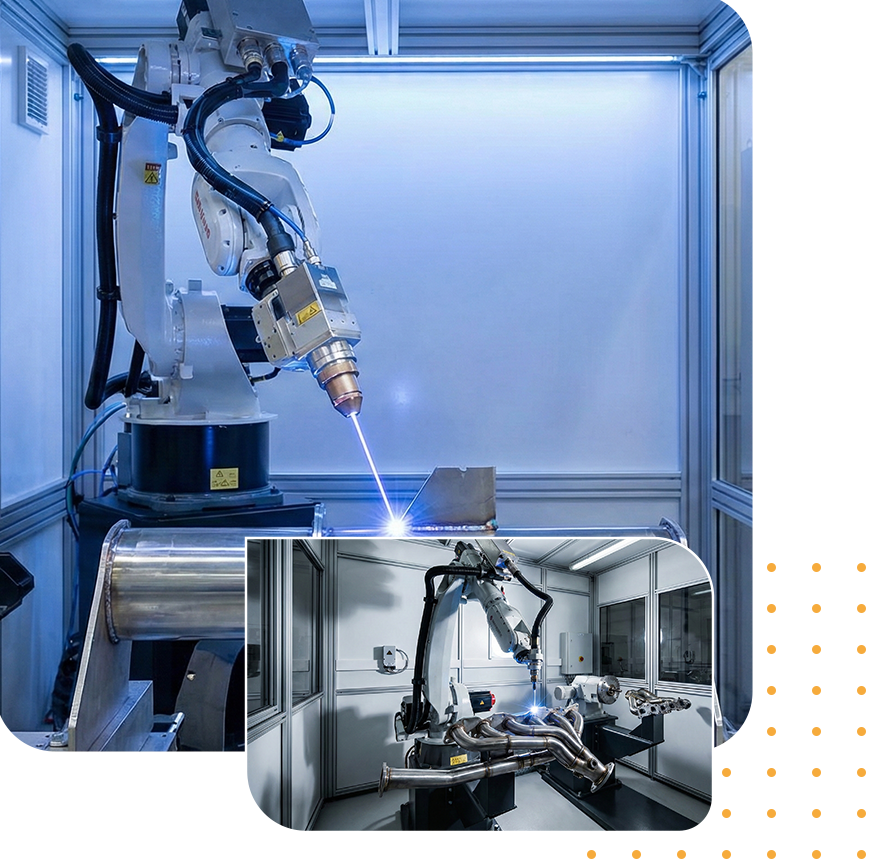
Laser Welding Automation Solutions
In Turkey, laser welding has become a priority technology for manufacturers that combine high-precision production with robotic integration. Robotic laser welding systems provide advantages such as:
-
Micron-level positional accuracy
-
Low heat input and minimal distortion
-
High-speed and repeatable cycle times
-
Clean and aesthetic weld seams (minimal spatter)
-
Reduced rework and scrap rate
At Root Engineering, we design the robotic laser welding cell and integrate it with industrial safety standards. Seam positioning and sensitivity losses are controlled through process engineering and fixture design.
In Which Industries Is Robotic Laser Welding Preferred?
White Goods Manufacturing
Fine Sheet Metal Processing
Machinery Manufacturing
Medical
Industry
Steel Applications
Aerospace Industry
Defense Industry
Automotive Industry
Frequently Asked Questions
You can find clear answers here to the most frequently asked questions about our robotic laser welding solutions.
How can we help you?
You can contact us for your questions and price quote requests, or easily reach us via our contact number.


