1) What is robotic laser cutting?
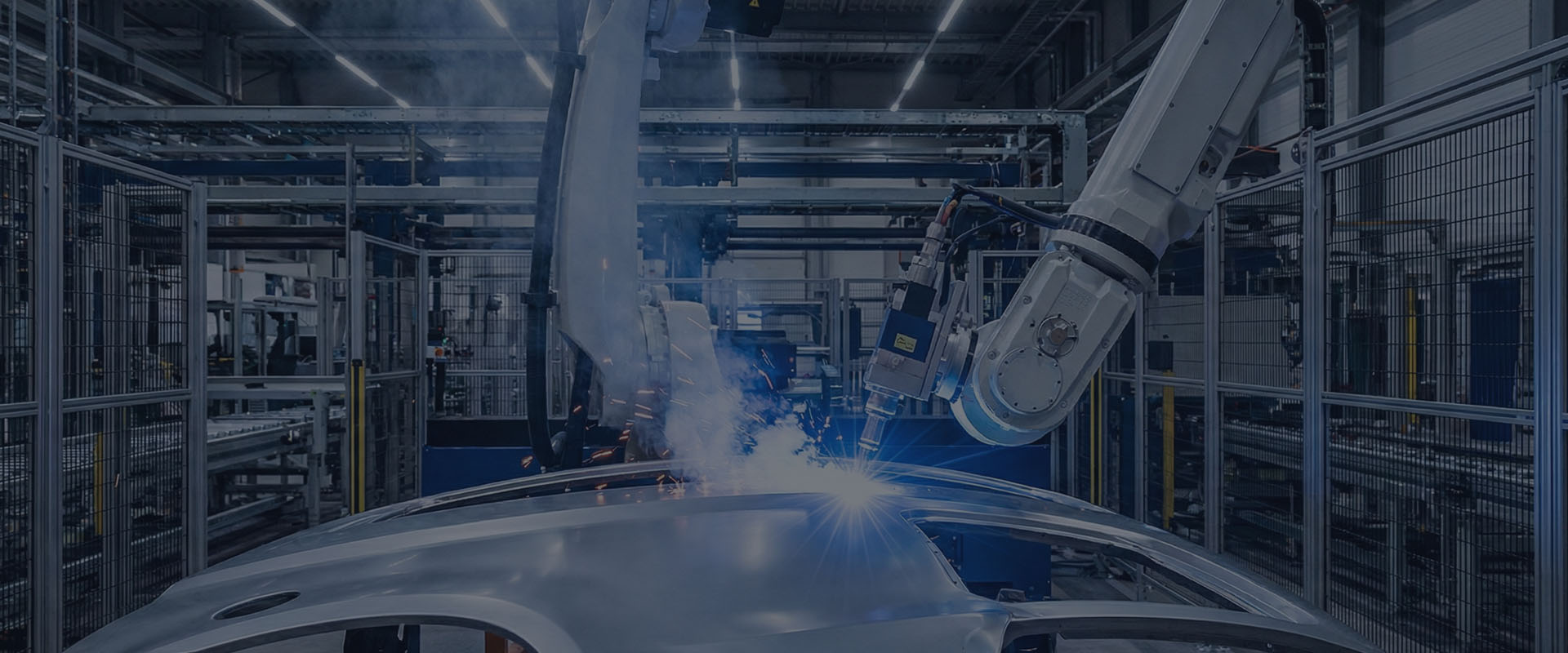
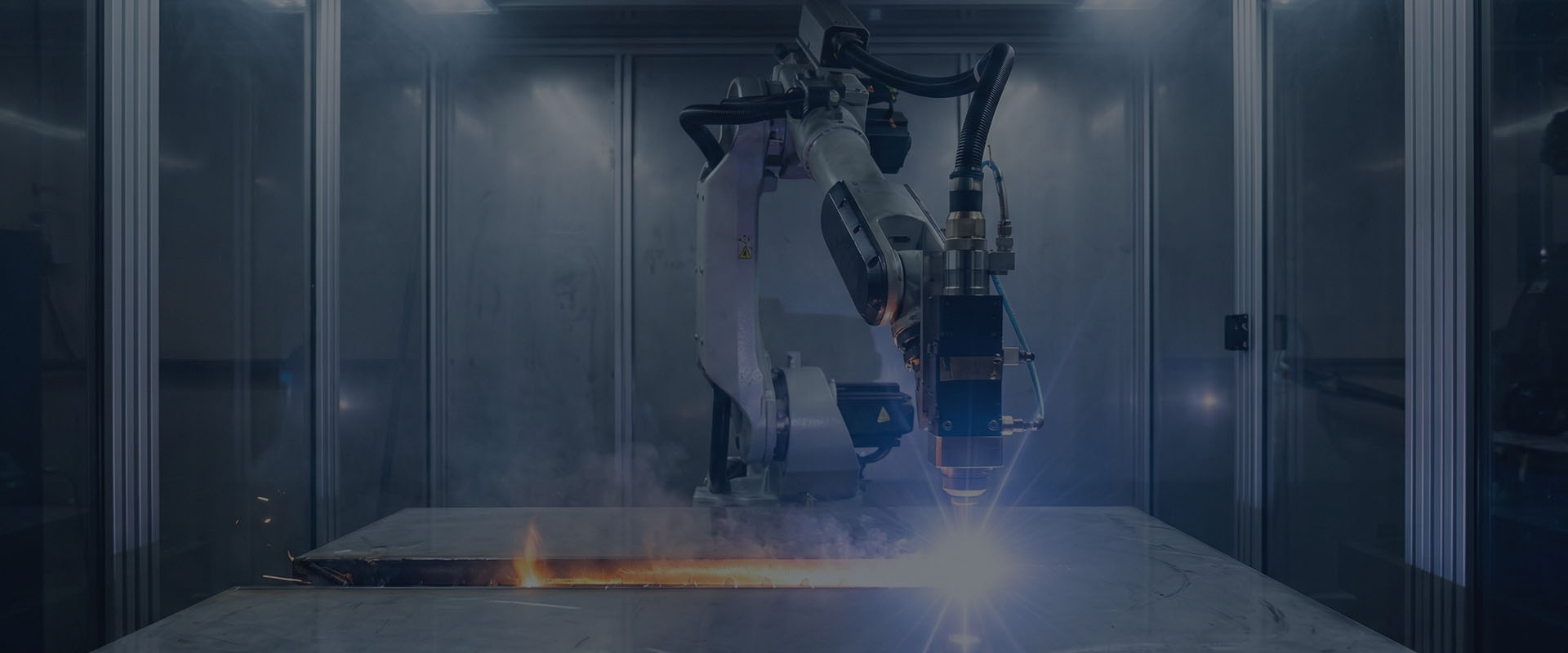
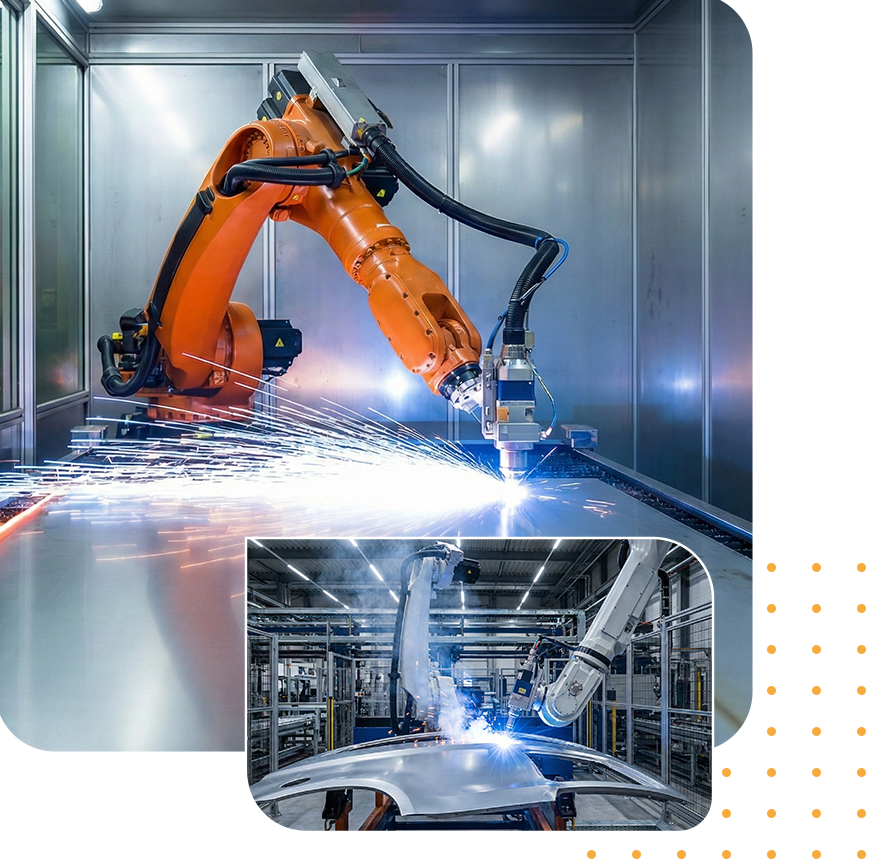
Robotic laser cutting is a system where a fiber laser cutting unit is integrated with an industrial robot arm to automatically perform contour cutting, piercing, and trimming operations on 2D or 3D parts.
2) What is the difference between robotic laser cutting and conventional CNC laser cutting?
CNC laser cutting machines are mostly used for flat sheet cutting, whereas robotic laser cutting offers flexible cutting on 3D formed, bent, pressed, or tube/profile parts.
3) What affects robotic laser cutting system pricing?
Laser power, robot brand, cell design (single/double station), fixture concept, safety system, and production volume define the price—therefore pricing is project-based.
4) Can you provide a standard price for “robotic laser cutting price”?
Each project is different. Without evaluating part geometry, material thickness, and annual production volume, it is not possible to provide an accurate figure—quotation is prepared after an onsite assessment.
5) Which materials can be cut with robotic laser cutting systems?
Carbon steel, stainless steel, aluminum, and similar metallic materials can be cut with the proper laser power and process parameters.
6) What is the maximum sheet thickness for robotic laser cutting?
It depends on the selected fiber laser power. High speed and accuracy are achieved in thin-to-medium thickness ranges; thicker sections require a dedicated application assessment.
7) Does robotic laser cutting reduce tooling/die costs?
Yes. Since model revisions can often be managed through programming and fixtures, the need for new die investments can be reduced.
8) Can my existing fiber laser cutting machine be integrated into a robotic system?
In some cases, yes. If the laser unit’s interface, signals, and safety infrastructure allow communication with the robotic cell, integration can be implemented after evaluation.
9) How much floor space does a robotic laser cutting cell require?
A compact single-station cell may fit within 10–16 m², while double-station, rotary-table, or in-line solutions require a larger footprint.
10) What level of cutting accuracy is achieved in robotic laser cutting?
High positional accuracy is possible with a fiber laser + robot combination; accuracy depends on fixture design, robot class, and laser parameters.
11) Is a robotic laser cutting system suitable for 24/7 operation?
Yes—when proper maintenance and cooling conditions are ensured, the system can be designed for 24/7 scenarios.
12) Is there a minimum production volume requirement?
Investment decisions should be based on mid-to-long-term production planning; the investment becomes more meaningful for facilities with regular and repetitive production.
13) How is safety ensured in a robotic laser cutting system?
Operator and environmental safety are ensured via a laser safety enclosure, area scanners, light curtains, interlocked doors, and safety PLC architecture.
14) Can tube and profile cutting be performed with robotic laser cutting?
Yes. With suitable rotary axes or tube/profile rotation systems, tube and profile cutting applications can be executed.
15) What information is required before starting a robotic laser cutting project?
Part drawings, material type and thickness, annual/monthly production volumes, process sequence, and the current line layout are core inputs for project evaluation.